Infrastructure Loans For Sustainable Cities
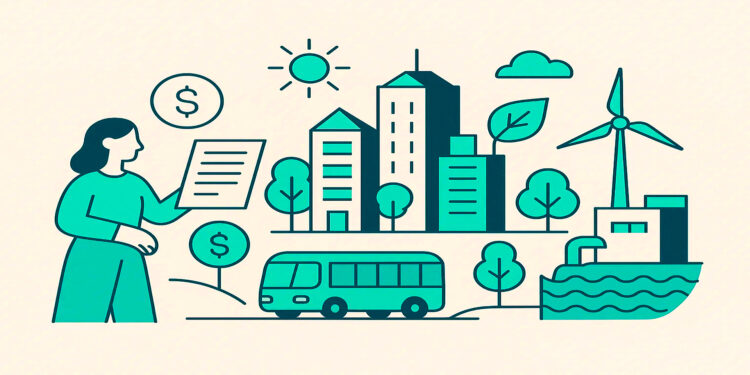
Cities around the world are under pressure to balance growth with sustainability. Rapid urbanization creates challenges in transport, energy, housing, and sanitation, all of which demand massive investments. Traditional budgets alone rarely cover the costs, which is why loans—especially those structured for sustainability—play such an important role. Infrastructure loans are not just about concrete and steel; they are increasingly tied to environmental performance, aiming to reduce emissions, manage resources responsibly, and improve urban life. From electric bus networks to modern water treatment facilities, these loans are reshaping how cities invest in their future.
Why Sustainable Cities Need Loans
Urban development on a sustainable scale requires resources that exceed municipal revenues. Tax income and public funds may cover maintenance, but transformative projects demand external financing. Loans provide the upfront capital needed for initiatives like renewable energy integration, eco-friendly public transport, or water conservation systems. Repayments are spread over decades, aligning financial obligations with the long-term benefits these projects deliver. For lenders, the appeal lies in predictable revenue streams such as transit fares, water tariffs, or energy savings. For cities, loans unlock opportunities that would otherwise be unaffordable, allowing them to meet environmental targets and improve quality of life simultaneously.
The Link To Climate Goals
National and international climate commitments push cities to decarbonize quickly. Infrastructure loans become tools to align local projects with global objectives, ensuring that environmental policies are supported by financial means.
Types Of Infrastructure Loans Supporting Sustainability
Not all loans are alike, and sustainable cities use a variety of financing mechanisms. Multilateral development banks, commercial institutions, and government-backed programs all offer different terms. Some loans are general-purpose, while others are tied specifically to environmental outcomes. Green bonds—essentially loans structured as securities—have also become popular among cities seeking international investors. This diversity ensures that municipalities can select the financing mix that best suits their needs and repayment capacity.
Sector-Specific Financing
Loans for sustainable cities often target specific sectors. Transport loans focus on electrifying bus fleets or expanding metro systems. Energy loans support district heating networks or renewable power plants. Water loans fund advanced treatment plants and pipeline upgrades. Each sector demands tailored financing, reflecting its unique risks and repayment streams.
Transport Projects As Loan Priorities
One of the largest areas of borrowing for sustainable infrastructure is transport. Cities rely on loans to build or expand metro lines, purchase electric buses, and develop bicycle infrastructure. These projects reduce traffic congestion, improve air quality, and lower emissions. Transport loans are typically large in scale, with long repayment periods justified by the consistent revenue generated from fares and government support. For lenders, public transport investments offer stability, while for cities, they address both environmental and social needs, ensuring accessibility for residents across income groups.
The Role Of Public-Private Partnerships
Transport projects often combine loans with private sector participation. Banks may finance vehicle fleets, while private operators manage service delivery. This hybrid model reduces the financial burden on municipalities and accelerates project implementation.
Water And Wastewater Infrastructure Financing
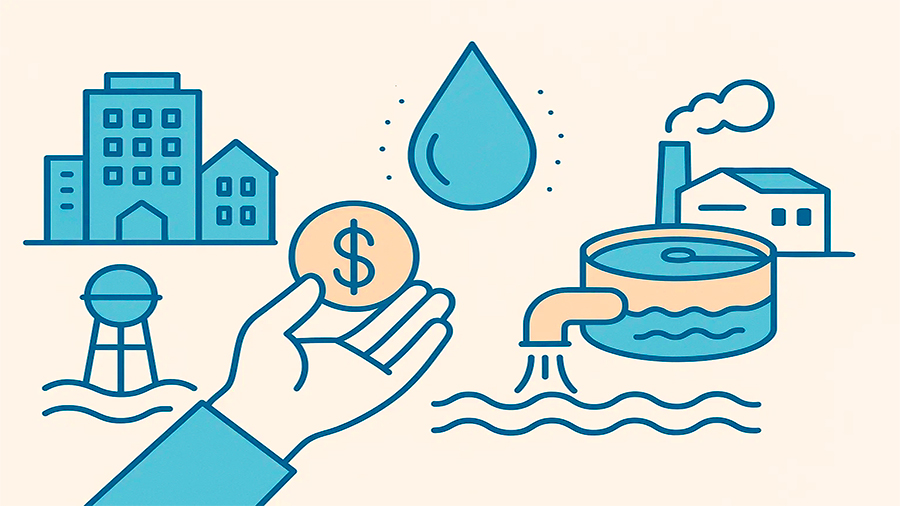
Water systems represent another critical area for sustainable investment. Loans help cities modernize treatment plants, reduce leakage, and expand access to clean drinking water. Wastewater treatment projects, in particular, have strong environmental impacts, preventing pollution and protecting ecosystems. Financing in this sector often relies on predictable water tariffs, providing lenders with secure repayment channels. For cities, the benefits extend beyond compliance with regulations: modern water infrastructure improves public health and supports long-term urban resilience against climate change and population growth.
Technology And Efficiency Gains
Advanced technologies like smart meters or digital monitoring reduce water losses and improve efficiency. Loans allow cities to invest in these innovations, which deliver both environmental and financial returns.
Comparing Infrastructure Loans For Key Sectors
The table below summarizes how infrastructure loans support different urban sustainability projects:
| Sector | Typical Projects | Repayment Sources | Environmental Impact |
|---|---|---|---|
| Transport | Metro expansion, electric bus fleets, cycling paths | Fare revenues, government subsidies | Reduced emissions, less congestion, cleaner air |
| Energy | District heating, renewable power plants, smart grids | Energy tariffs, efficiency savings | Lower carbon footprint, stable energy supply |
| Water & Wastewater | Treatment plants, leakage reduction, distribution upgrades | Water tariffs, public utility revenues | Cleaner rivers, safe drinking water, climate resilience |
| Waste Management | Recycling facilities, landfill modernization, incineration plants | Waste fees, municipal budgets | Reduced landfill use, higher recycling rates |
Why The Mix Matters
Successful cities rarely rely on one type of loan alone. They combine financing across sectors, ensuring that improvements in transport, energy, and water reinforce each other. This integrated approach multiplies environmental benefits.
Risks Associated With Infrastructure Loans
Borrowing at the municipal level always carries risks. Large-scale projects may run over budget or face delays. Future revenues may fall short if ridership is lower than expected or if tariffs are politically difficult to raise. Environmental technologies, though promising, sometimes underperform, making repayment harder. For lenders, the main risk lies in political instability or weak governance. For cities, the challenge is balancing debt sustainability with urgent development needs. Mitigating these risks requires transparency, feasibility studies, and strong project management frameworks. Increasingly, lenders require cities to provide environmental and social impact assessments before approving loans.
Balancing Ambition And Prudence
Cities must walk a fine line: borrowing enough to achieve ambitious sustainability targets, but not so much that debt becomes unmanageable. Prudent borrowing strategies ensure that loans remain enablers rather than burdens.
The Role Of International Development Banks
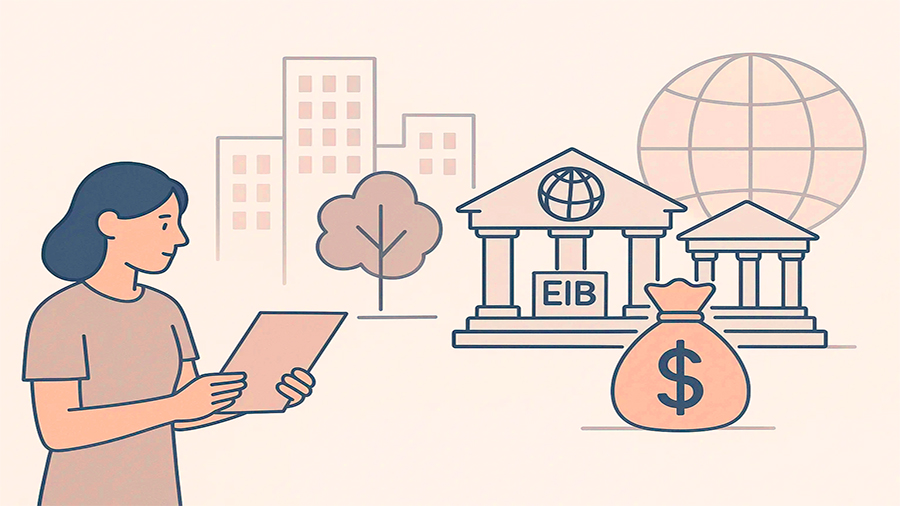
Institutions like the World Bank, the European Investment Bank, and regional development banks are key players in financing sustainable cities. They offer favorable terms, long repayment schedules, and technical assistance. These banks also impose strict sustainability standards, ensuring that loans fund projects with genuine environmental benefits. For developing countries in particular, international lending provides access to capital that would otherwise be unavailable domestically. The involvement of reputable global institutions also reassures private investors, encouraging blended financing models that combine public loans with private capital.
Encouraging Local Capacity
Beyond financing, development banks often provide training and institutional support, helping cities manage projects effectively and build long-term financial independence.
Looking Toward The Future Of Urban Sustainability Financing
As climate change intensifies, the demand for sustainable infrastructure will only grow. Cities must adapt to rising temperatures, increased flooding, and growing populations. Loans remain the backbone of this adaptation, ensuring that projects are not delayed by funding shortages. In the future, digital platforms may streamline the borrowing process, while green bonds and sustainability-linked loans could expand options for cities. Moreover, citizens themselves may play a larger role, with municipal bonds and crowdfunding enabling direct community participation. The financing of sustainable cities is evolving toward inclusivity and innovation, reflecting the urgency of global environmental goals.
The Opportunity For Innovation
New financing models tied to performance metrics—such as reduced emissions or improved water quality—are likely to become standard. These structures ensure accountability while linking repayment to tangible environmental outcomes.
The Conclusion
Infrastructure loans for sustainable cities are more than financial instruments—they are catalysts of transformation. By funding cleaner transport, renewable energy, and modern water systems, they enable urban areas to thrive in harmony with the environment. While risks exist, careful planning, transparency, and partnerships with international institutions ensure that loans deliver long-term benefits. As cities worldwide commit to sustainability, infrastructure loans will continue to shape the future of urban living, making communities healthier, greener, and more resilient for generations to come.


